Transforming how global fans consume sports

Discovery

Product Strategy

Product Design

Multi-platform

OTT
An illustrative sketch of a flower

Overview

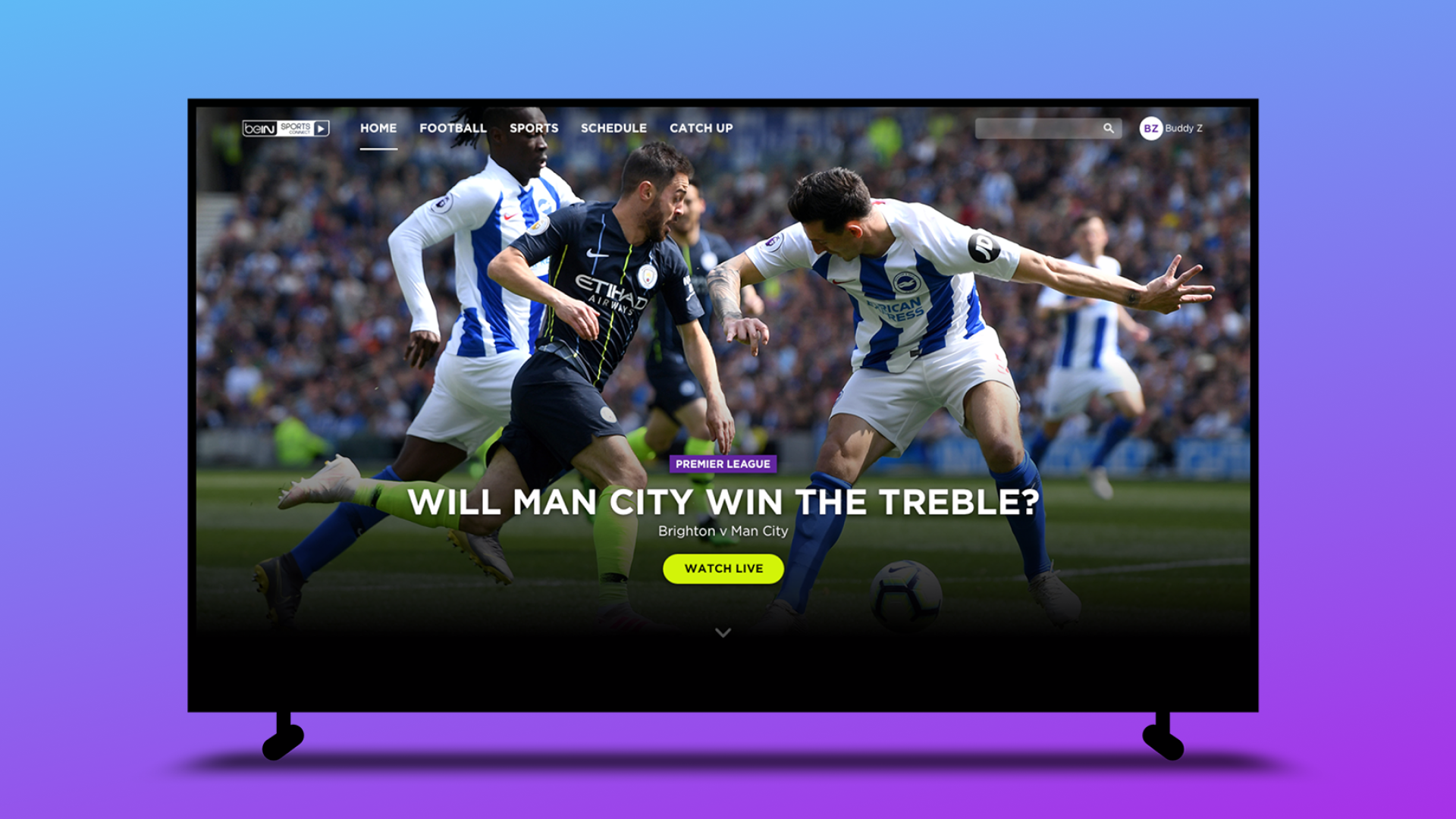
beIN Media came to Deltatre to rebuild beIN Connect, their OTT platform. The app had been pioneering at launch, but it was ageing — the interface, the performance, the feature set. Competition in the region had sharpened considerably, and beIN needed a platform that could hold a global audience rather than lose it.

I was Strategy & Design Director at Deltatre and led the design work end to end: framing the problem with beIN's stakeholders, running the research, designing the core experience, and taking it through to launch across mobile, tablet, web and connected TV.

By emphasising cross-platform consistency and accessibility, I led the creation of an intuitive interface and enhanced features. The team's focus on performance optimisation and integration of advanced player features played a crucial role in increasing user engagement and subscriber growth for beIN Media.
The Challenge

  • User Retention: The outdated interface and limited features were contributing to a decline in user retention and engagement.​​​​​​​
  • Diverse Audience Needs: Catering to a global audience meant addressing a wide array of cultural preferences, languages, and accessibility requirements.
  • Complex Content Management: Due to the many different asset types and genres—shows, tournaments, matches, and live events—and the differing needs of sports fans demanding live content (watching live vs. watch from start), delivering a seamless user experience posed a significant challenge.
  • Technological Integration: The new platform needed seamless integration with BeIN's existing backend systems and compatibility with various devices and operating systems.
  • Tight Deadlines: The team were working against the clock to launch the new platform ahead of major sporting events to maximise user adoption.
The Approach

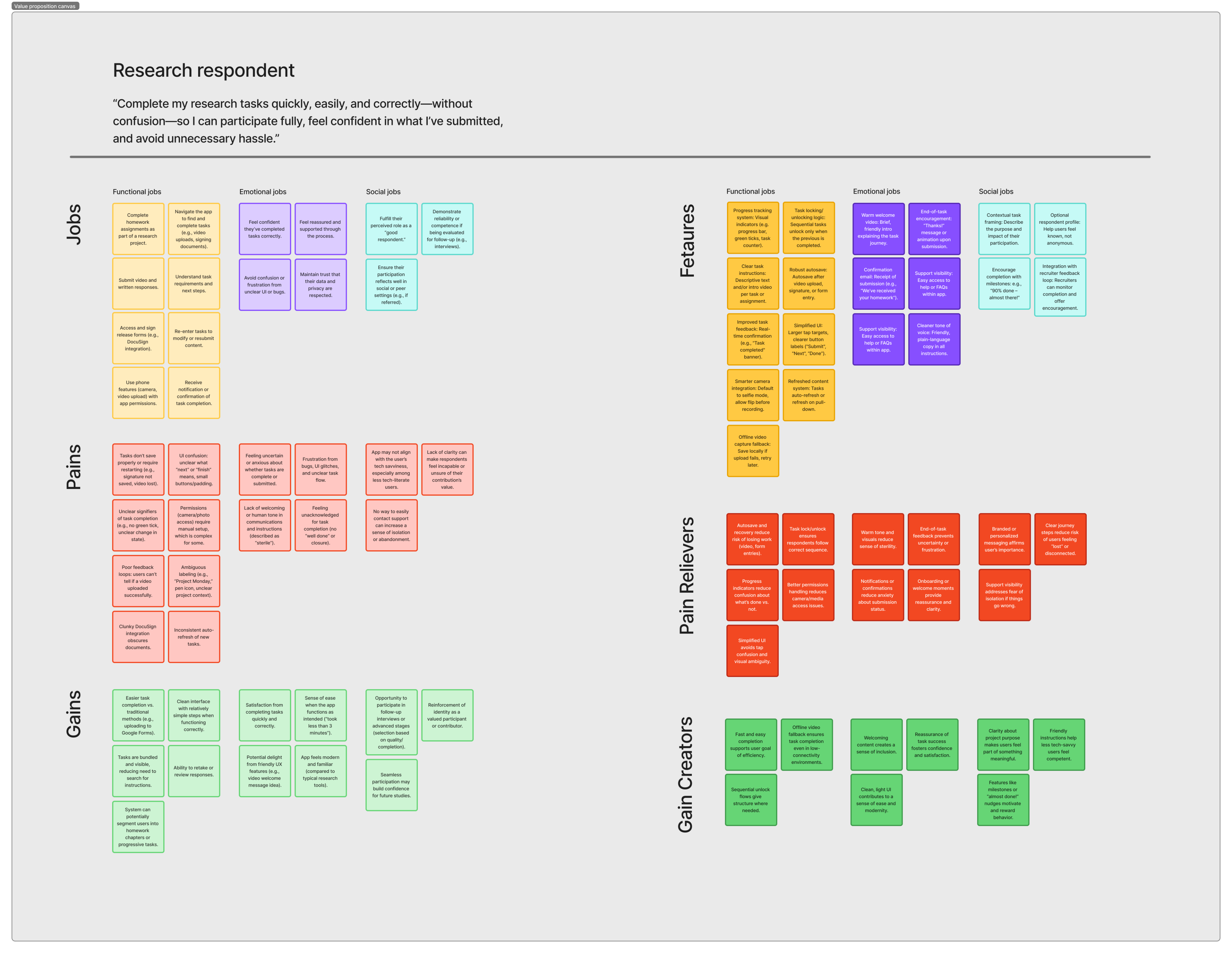
  • Framed the problem before designing anything. I ran the discovery: 20 user interviews across Qatar & Canada, usability sessions on the existing app, and a review of analytics & behavioural data. That work reframed the brief from "modernise the UI" to "fix content discovery and live playback" — which changed what we built and what we didn't.
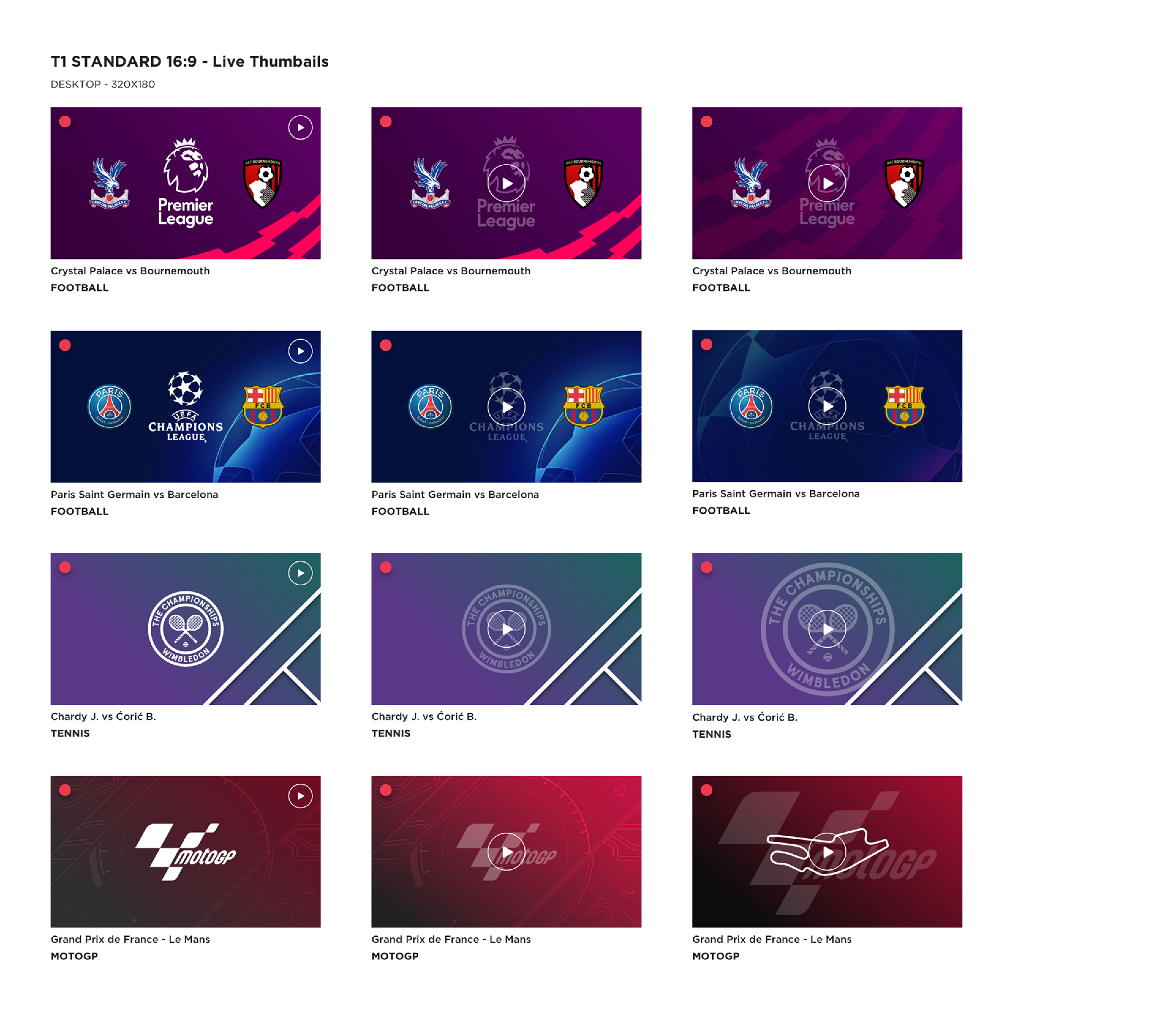
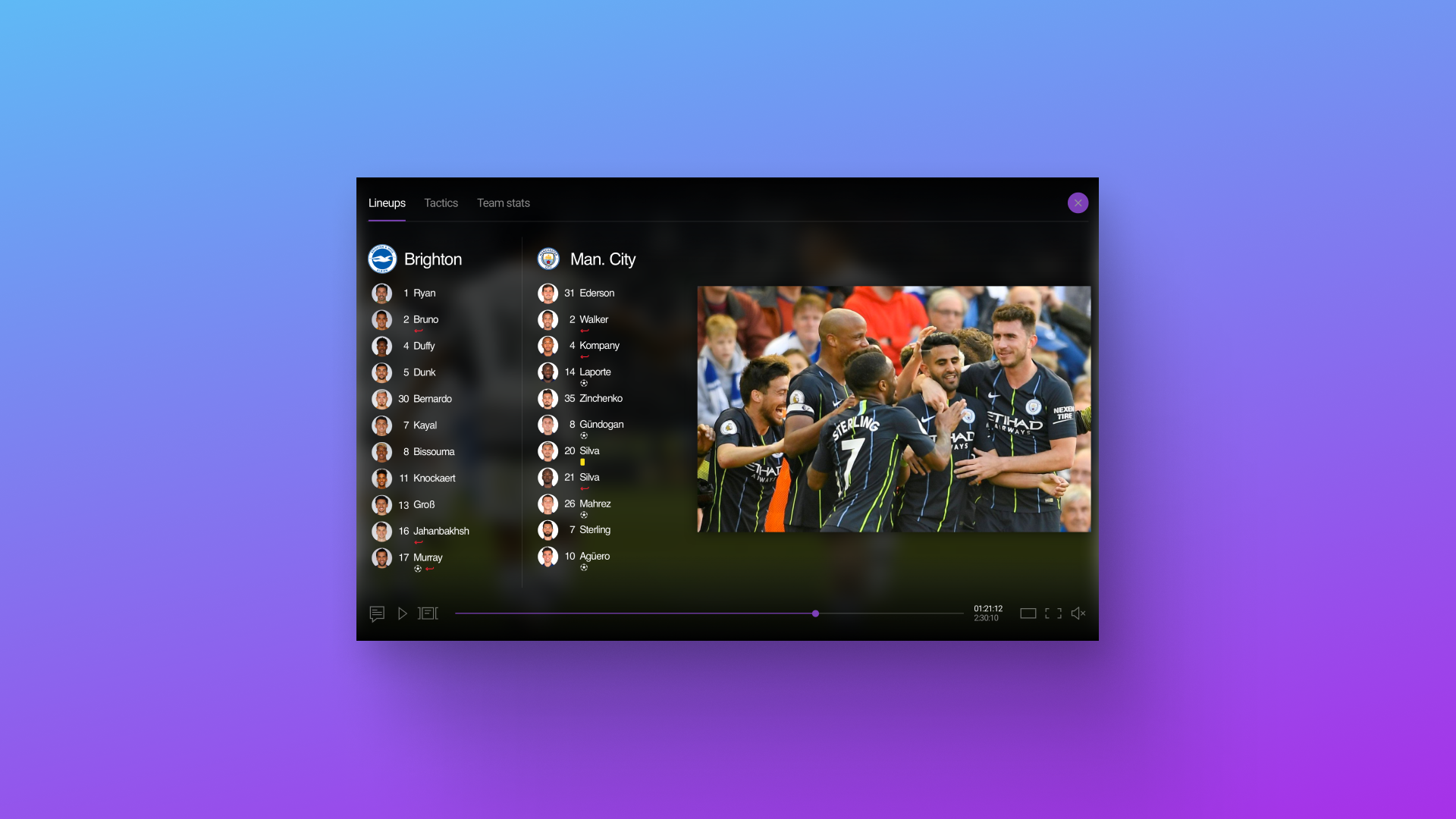
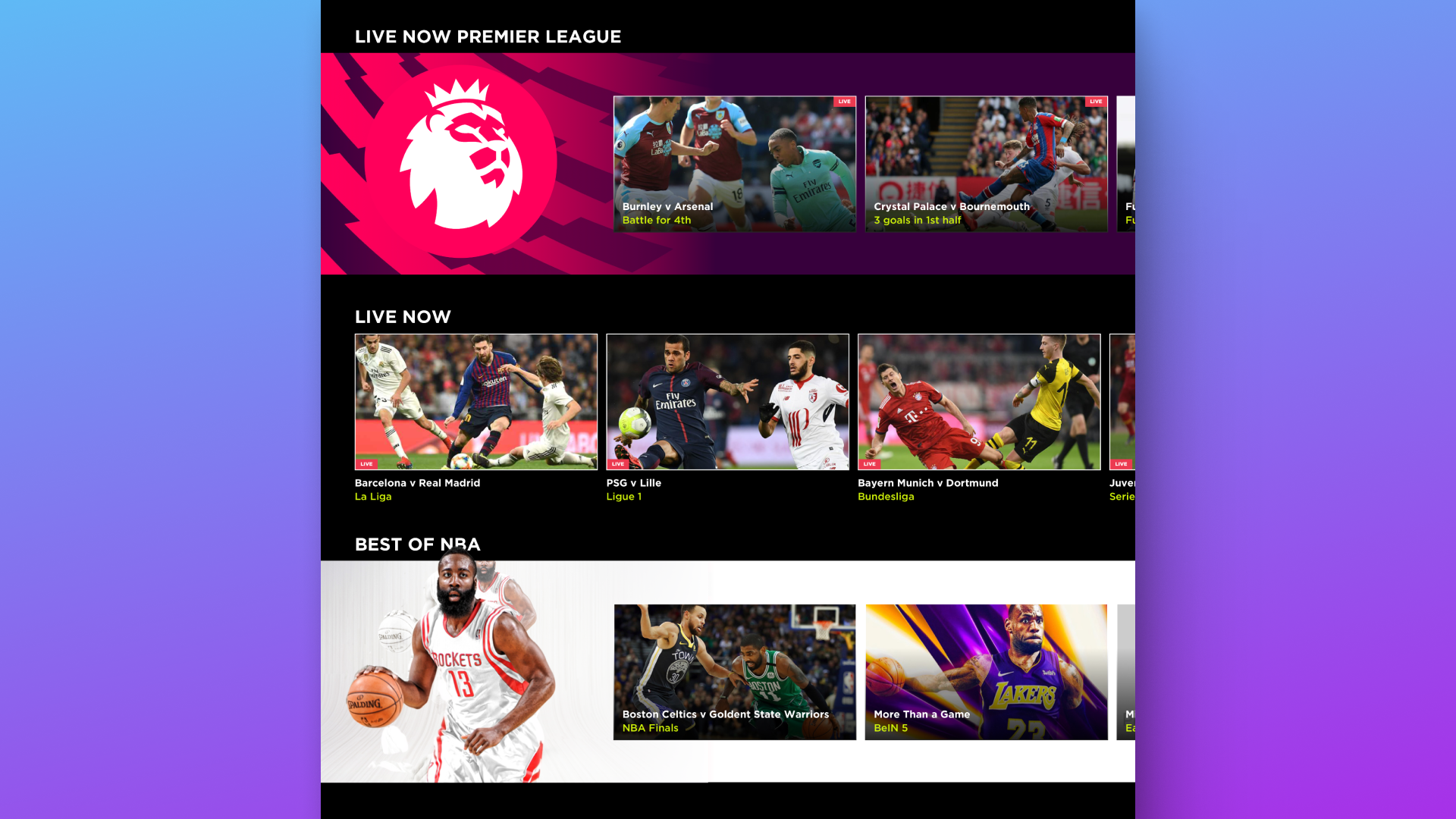
  • Mapped the content model. The hardest part of the product was structural, not visual. I mapped how shows, tournaments, matches and live events related to one another, and designed the navigation and browse architecture around it. Particular attention was given to the thumbnail architecture that dramatically improved users ability to quickly identify competitions type and lineups.
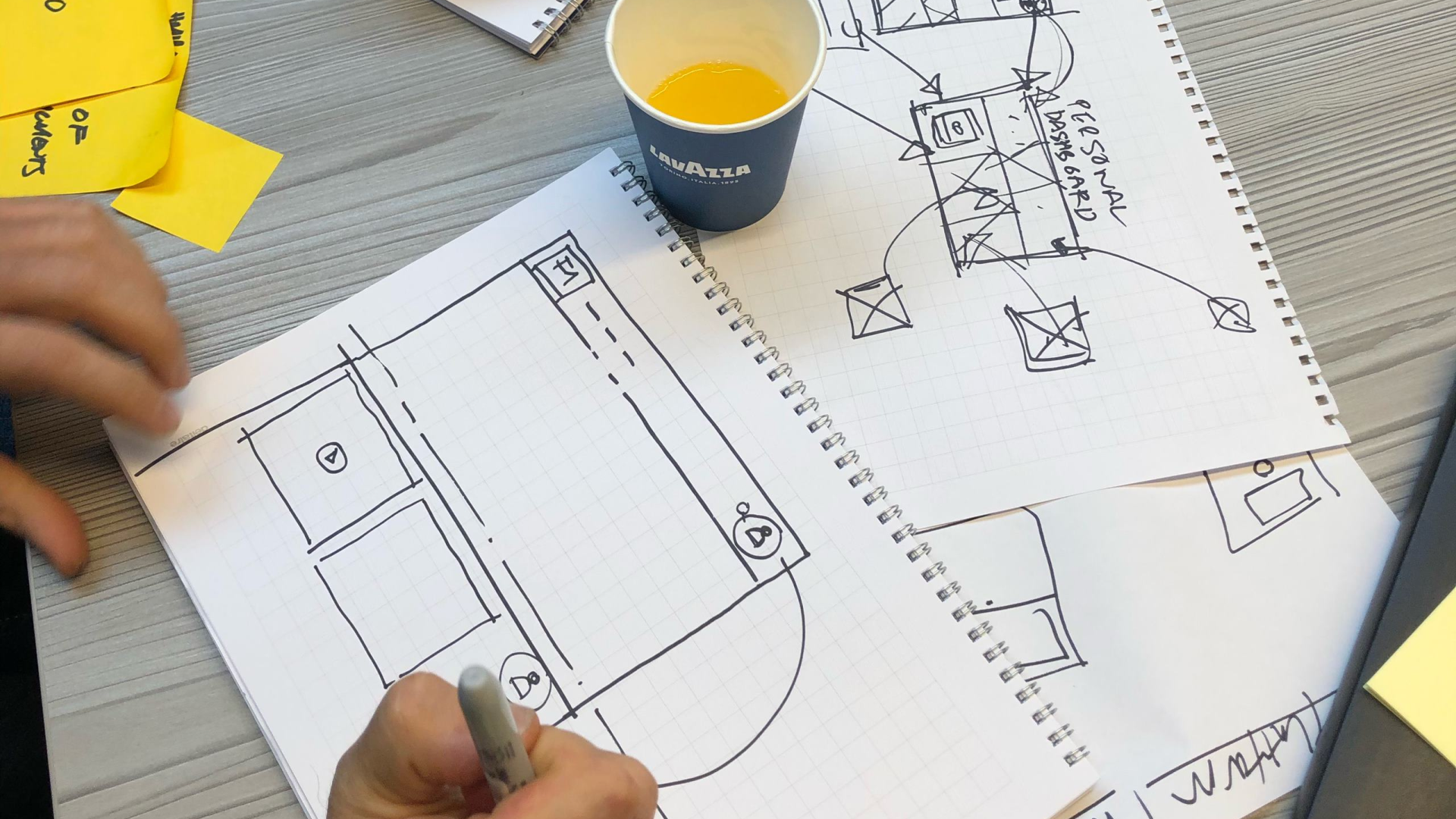
  • Designed the core journeys. I wireframed and prototyped the primary flows — home, browse, search, live playback, resume — and tested them with users before handing anything to engineering. I ran unmoderated task completion tests using Maze.
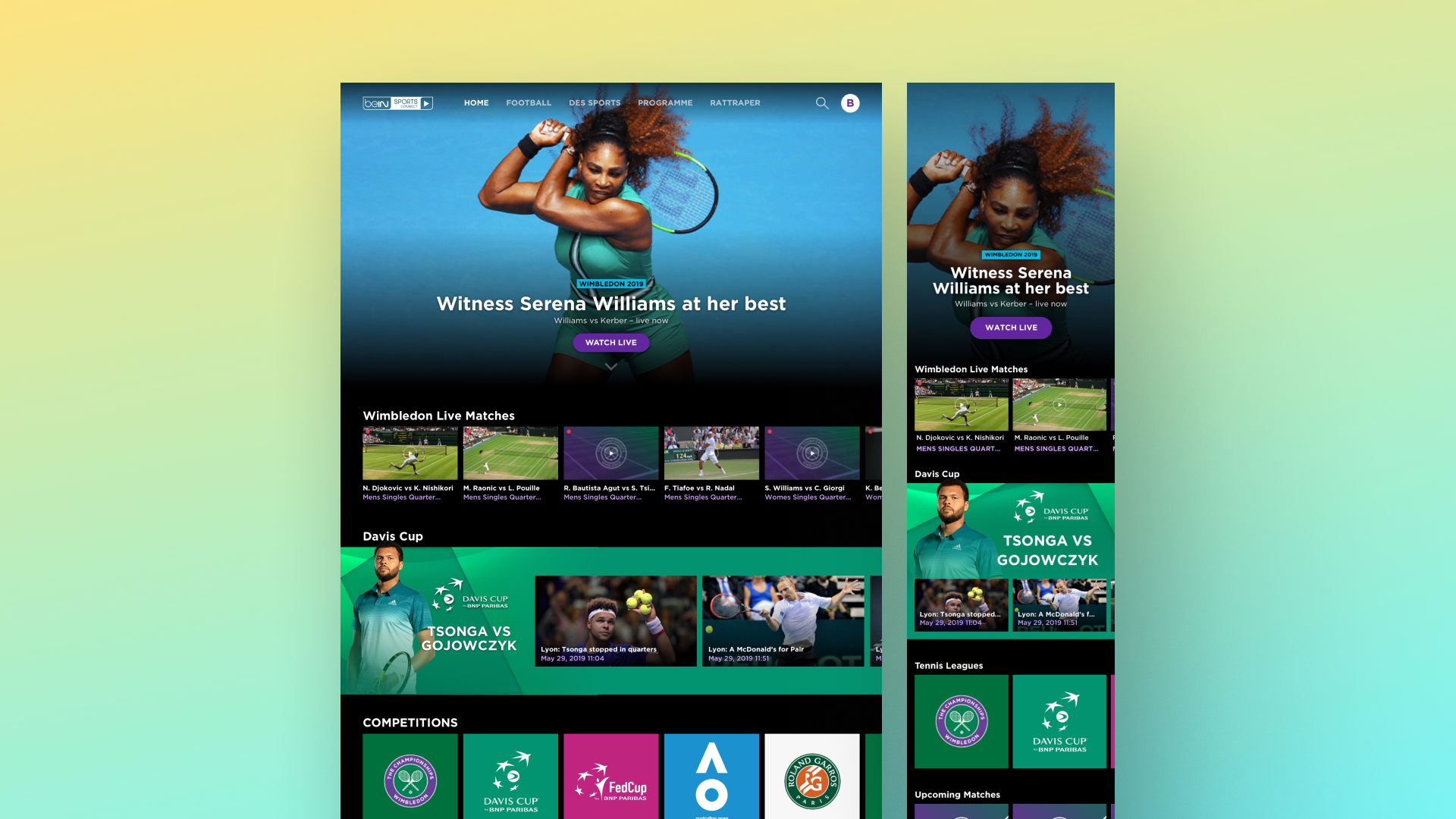
  • Built for multi-platforms. I defined the component library and interaction patterns so mobile, tablet, web and smart TV (TVOS, Roku, Tizen, WebOS and Google) shared one system, adapting to input method and screen rather than being rebuilt each time. Right-to-left and multi-language support were designed into the components rather than bolted on afterwards.
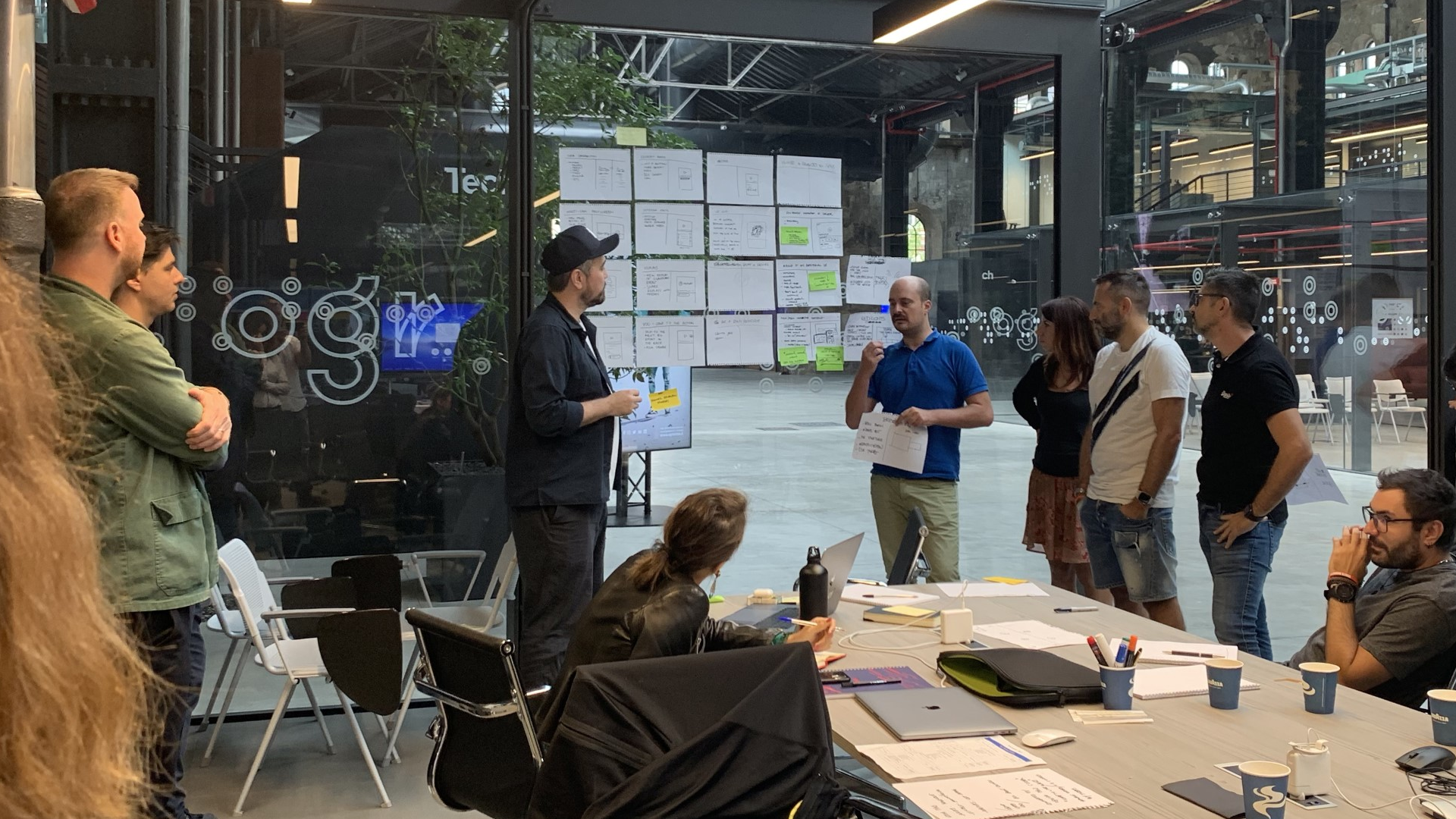
  • Worked in the open with the client. I ran fortnightly design reviews with beIN's product and content teams, working in sprints so decisions could be tested and reversed cheaply. Hero video was initially proposed but the client content team were not able to support it’s function so the designs were de-scoped to full width image.
  • Led the team. I directed a team of 4 (2 UX and 2 UI) designers through delivery, setting the design direction and reviewing the work while staying hands-on across the core flows.
Impact

The new platform launched on schedule. In the twelve months after release:

  • 168% increase in viewing time on connected TVs — the platform's fastest-growing surface, and the one the new browse architecture was built for
  • 33% increase on mobile
  • 51% surge in viewing minutes in Egypt, the strongest regional response
  • 47% in the UAE
  • 36% in Qatar

The pattern across markets was consistent: once content was findable, people watched more of it.
What I'd do differently

Scope grew (it always does on these types of delivery), and we didn't manage it well. beIN's requests came in steadily, each reasonable on its own, and we took them one at a time without weighing what any of them cost or displaced. The deadline never moved, so the trade-offs got made late and under pressure rather than early and deliberately.

That was mine to prevent. I'd now put a lightweight prioritisation step in from week one — every request sized, its value stated, and what it pushes out made explicit and visible to the client. It takes minutes and it changes the conversation from "can you fit this in" to "here's what it costs." I set that up before a project starts now, not halfway through one.
Rich Mills ©2026

Transforming how global fans consume sports

Discovery

Product Strategy

Product Design

Multi-platform

OTT

An illustrative sketch of a flower

Overview

beIN Media came to Deltatre to rebuild beIN Connect, their OTT platform. The app had been pioneering at launch, but it was ageing — the interface, the performance, the feature set. Competition in the region had sharpened considerably, and beIN needed a platform that could hold a global audience rather than lose it.

I was Strategy & Design Director at Deltatre and led the design work end to end: framing the problem with beIN's stakeholders, running the research, designing the core experience, and taking it through to launch across mobile, tablet, web and connected TV.

By emphasising cross-platform consistency and accessibility, I led the creation of an intuitive interface and enhanced features. The team's focus on performance optimisation and integration of advanced player features played a crucial role in increasing user engagement and subscriber growth for beIN Media.

The Challenge

  • User Retention: The outdated interface and limited features were contributing to a decline in user retention and engagement.​​​​​​​
  • Diverse Audience Needs: Catering to a global audience meant addressing a wide array of cultural preferences, languages, and accessibility requirements.
  • Complex Content Management: Due to the many different asset types and genres—shows, tournaments, matches, and live events—and the differing needs of sports fans demanding live content (watching live vs. watch from start), delivering a seamless user experience posed a significant challenge.
  • Technological Integration: The new platform needed seamless integration with BeIN's existing backend systems and compatibility with various devices and operating systems.
  • Tight Deadlines: The team were working against the clock to launch the new platform ahead of major sporting events to maximise user adoption.

The Approach

  • Framed the problem before designing anything. I ran the discovery: 20 user interviews across Qatar & Canada, usability sessions on the existing app, and a review of analytics & behavioural data. That work reframed the brief from "modernise the UI" to "fix content discovery and live playback" — which changed what we built and what we didn't.
  • Mapped the content model. The hardest part of the product was structural, not visual. I mapped how shows, tournaments, matches and live events related to one another, and designed the navigation and browse architecture around it. Particular attention was given to the thumbnail architecture that dramatically improved users ability to quickly identify competitions type and lineups.
  • Designed the core journeys. I wireframed and prototyped the primary flows — home, browse, search, live playback, resume — and tested them with users before handing anything to engineering. I ran unmoderated task completion tests using Maze.
  • Built for multi-platforms. I defined the component library and interaction patterns so mobile, tablet, web and smart TV (TVOS, Roku, Tizen, WebOS and Google) shared one system, adapting to input method and screen rather than being rebuilt each time. Right-to-left and multi-language support were designed into the components rather than bolted on afterwards.
  • Worked in the open with the client. I ran fortnightly design reviews with beIN's product and content teams, working in sprints so decisions could be tested and reversed cheaply. Hero video was initially proposed but the client content team were not able to support it’s function so the designs were de-scoped to full width image.
  • Led the team. I directed a team of 4 (2 UX and 2 UI) designers through delivery, setting the design direction and reviewing the work while staying hands-on across the core flows.

Impact

The new platform launched on schedule. In the twelve months after release:

  • 168% increase in viewing time on connected TVs — the platform's fastest-growing surface, and the one the new browse architecture was built for
  • 33% increase on mobile
  • 51% surge in viewing minutes in Egypt, the strongest regional response
  • 47% in the UAE
  • 36% in Qatar

The pattern across markets was consistent: once content was findable, people watched more of it.

What I'd do differently

Scope grew (it always does on these types of delivery), and we didn't manage it well. beIN's requests came in steadily, each reasonable on its own, and we took them one at a time without weighing what any of them cost or displaced. The deadline never moved, so the trade-offs got made late and under pressure rather than early and deliberately.

That was mine to prevent. I'd now put a lightweight prioritisation step in from week one — every request sized, its value stated, and what it pushes out made explicit and visible to the client. It takes minutes and it changes the conversation from "can you fit this in" to "here's what it costs." I set that up before a project starts now, not halfway through one.

Rich Mills ©2026

Transforming how global fans consume sports

Discovery

Product Strategy

Product Design

Multi-platform

OTT

An illustrative sketch of a flower

Overview

beIN Media came to Deltatre to rebuild beIN Connect, their OTT platform. The app had been pioneering at launch, but it was ageing — the interface, the performance, the feature set. Competition in the region had sharpened considerably, and beIN needed a platform that could hold a global audience rather than lose it.

I was Strategy & Design Director at Deltatre and led the design work end to end: framing the problem with beIN's stakeholders, running the research, designing the core experience, and taking it through to launch across mobile, tablet, web and connected TV.

By emphasising cross-platform consistency and accessibility, I led the creation of an intuitive interface and enhanced features. The team's focus on performance optimisation and integration of advanced player features played a crucial role in increasing user engagement and subscriber growth for beIN Media.

The Challenge

  • User Retention: The outdated interface and limited features were contributing to a decline in user retention and engagement.​​​​​​​
  • Diverse Audience Needs: Catering to a global audience meant addressing a wide array of cultural preferences, languages, and accessibility requirements.
  • Complex Content Management: Due to the many different asset types and genres—shows, tournaments, matches, and live events—and the differing needs of sports fans demanding live content (watching live vs. watch from start), delivering a seamless user experience posed a significant challenge.
  • Technological Integration: The new platform needed seamless integration with BeIN's existing backend systems and compatibility with various devices and operating systems.
  • Tight Deadlines: The team were working against the clock to launch the new platform ahead of major sporting events to maximise user adoption.

The Approach

  • Framed the problem before designing anything. I ran the discovery: 20 user interviews across Qatar & Canada, usability sessions on the existing app, and a review of analytics & behavioural data. That work reframed the brief from "modernise the UI" to "fix content discovery and live playback" — which changed what we built and what we didn't.
  • Mapped the content model. The hardest part of the product was structural, not visual. I mapped how shows, tournaments, matches and live events related to one another, and designed the navigation and browse architecture around it. Particular attention was given to the thumbnail architecture that dramatically improved users ability to quickly identify competitions type and lineups.
  • Designed the core journeys. I wireframed and prototyped the primary flows — home, browse, search, live playback, resume — and tested them with users before handing anything to engineering. I ran unmoderated task completion tests using Maze.
  • Built for multi-platforms. I defined the component library and interaction patterns so mobile, tablet, web and smart TV (TVOS, Roku, Tizen, WebOS and Google) shared one system, adapting to input method and screen rather than being rebuilt each time. Right-to-left and multi-language support were designed into the components rather than bolted on afterwards.
  • Worked in the open with the client. I ran fortnightly design reviews with beIN's product and content teams, working in sprints so decisions could be tested and reversed cheaply. Hero video was initially proposed but the client content team were not able to support it’s function so the designs were de-scoped to full width image.
  • Led the team. I directed a team of 4 (2 UX and 2 UI) designers through delivery, setting the design direction and reviewing the work while staying hands-on across the core flows.

Impact

The new platform launched on schedule. In the twelve months after release:

  • 168% increase in viewing time on connected TVs — the platform's fastest-growing surface, and the one the new browse architecture was built for
  • 33% increase on mobile
  • 51% surge in viewing minutes in Egypt, the strongest regional response
  • 47% in the UAE
  • 36% in Qatar

The pattern across markets was consistent: once content was findable, people watched more of it.

What I'd do differently

Scope grew (it always does on these types of delivery), and we didn't manage it well. beIN's requests came in steadily, each reasonable on its own, and we took them one at a time without weighing what any of them cost or displaced. The deadline never moved, so the trade-offs got made late and under pressure rather than early and deliberately.

That was mine to prevent. I'd now put a lightweight prioritisation step in from week one — every request sized, its value stated, and what it pushes out made explicit and visible to the client. It takes minutes and it changes the conversation from "can you fit this in" to "here's what it costs." I set that up before a project starts now, not halfway through one.